

Did you know about 70% of people who go to voluntary rehab for DUI don’t get caught again? This shows how helpful early treatment can be. It helps with substance abuse and legal problems.
Voluntary rehab programs are a big help for those with DUI charges. They offer a way to start fixing personal issues and legal problems. These programs give support and help people understand why they acted a certain way. They also teach how to change for the better.
Courts in the U.S. are starting to see the good in these programs. When people choose to go, it shows they’re serious about changing. It’s a big step towards a better life.
Table of Contents
Key Takeaways
- Voluntary rehabilitation programs significantly reduce repeat DUI offenses
- Participants gain valuable personal and legal benefits
- Programs offer structured support for behavioral change
- Courts view voluntary participation favorably
- Treatment focuses on understanding and preventing future incidents
Understanding Voluntary Rehabilitation Programs
Voluntary rehab programs help people with substance abuse, like DUI cases. They offer a caring and structured way to tackle alcohol issues. This helps people recover and grow.
DUI rehab centers offer many treatment options. They aim to help people beat addiction and change their lives for the better. It’s about helping, not punishing.
Defining Voluntary Rehabilitation
A voluntary rehab program is when people choose to get help for substance abuse. It’s different from mandatory programs. People pick these DUI recovery programs to get better and live healthier.
- Participants enter the program by personal choice
- Focus on individual healing and growth
- Tailored to meet specific personal needs
Key Components of Effective Programs
Good DUI rehab centers use many strategies for recovery:
| Treatment Component | Purpose |
|---|---|
| Individual Counseling | Address personal triggers and behavioral patterns |
| Group Therapy | Build support networks and share experiences |
| Skill Development | Learn coping mechanisms and stress management |
| Relapse Prevention | Develop strategies to maintain long-term sobriety |
Rehabilitation is a journey of personal growth and empowerment. DUI recovery programs give people the tools and support they need. They help create lasting positive change in their lives.
The Role of Voluntary Rehabilitation in DUI Cases
Voluntary rehab programs are key in DUI cases. They help people deal with substance abuse in a legal way. These programs let people take charge and show they are accountable to the court.
Courts see the value of voluntary rehab in DUI cases. By picking a court-approved rehab, people can change their legal fate. They show they are serious about changing themselves.
Importance of Addressing Substance Abuse
Substance abuse is a big problem that needs a lot of help. Voluntary rehab programs offer special help. They help people:
- Find out why they drink too much
- Learn new ways to handle problems
- Get tips for staying sober long-term
- Lower the chance of more legal trouble
Legal Implications of Participation in Programs
Being in a voluntary rehab program can really help with DUI sentences. Judges see it as a sign that someone wants to change and make things right.
Key legal benefits of voluntary rehab include:
- Potential reduction in sentencing
- Showing personal responsibility
- Being more likely to get a good deal from the court
- A chance to get your license back
By choosing voluntary rehab, people can start their recovery journey. They might also get a better deal in court.
Benefits of Voluntary Rehabilitation Programs
Voluntary DUI classes help people deal with alcohol-related driving issues. They offer support for those fighting substance abuse and wanting to change their lives.
These DUI alcohol treatment programs have many benefits. They help people rebuild their lives and avoid future problems.
Reducing Recidivism Rates
Studies show that voluntary rehab lowers the chance of doing it again. It uses:
- Targeted intervention techniques
- Personalized counseling approaches
- Evidence-based behavioral modification
Enhancing Personal Accountability
People in voluntary DUI classes learn important self-awareness skills. They focus on:
- Understanding personal triggers
- Developing healthy coping mechanisms
- Taking responsibility for past actions
Building Support Networks
Rehab programs help build important community ties for long-term recovery.
| Support Network Component | Recovery Impact |
|---|---|
| Group Counseling Sessions | 60% increased likelihood of sustained sobriety |
| Peer Support Groups | 55% reduction in relapse rates |
| Family Counseling Integration | 70% improved communication and support |
Voluntary rehabilitation is a strong way to change lives and heal communities.
How Voluntary Rehabilitation Programs Work
Voluntary rehab for DUI offenders helps people deal with substance abuse. It offers support to change alcohol habits and lower future risks.
The rehab journey starts with a detailed check-up. Experts look at each person’s history, substance use, and personal struggles. They make a plan just for them.
Comprehensive Assessment Process
First, specialists do a deep dive into the person’s past. They look at:
- Medical history
- Psychological tests
- How they use substances
- How motivated they are
Personalized Treatment Planning
After checking things out, experts make a plan just for that person. This plan might include:
- One-on-one counseling
- Group therapy
- Lessons on alcohol
- Activities to build skills
Program Duration and Commitment
Rehab programs last from 30 to 90 days. How long it takes depends on how well someone does, legal rules, and how much they want to change.
People in rehab must stay committed and want to change. They need to be active, honest, and really work on growing as a person.
Successful Case Studies
Voluntary rehab programs help people with DUI issues a lot. They give support and treatment plans. These programs change lives for the better.
People in DUI programs grow a lot. They also get legal benefits. These stories show how important rehab is for substance abuse and legal issues.
Inspiring Personal Transformations
Many good things happen in rehab:
- Less crime
- More personal responsibility
- Better mental health
- Good legal results
Program Success Metrics
Numbers show how well rehab works:
| Program Outcome | Success Rate |
|---|---|
| Less substance abuse | 72% |
| Less legal trouble | 65% |
| More sobriety over time | 58% |
These numbers show how much rehab can change lives for DUI issues.
Voluntary Rehabilitation vs. Mandatory Programs
DUI counseling gives people two main ways to deal with substance abuse. They can choose voluntary rehab or mandatory programs. The choice affects how well someone recovers and succeeds in the long run.
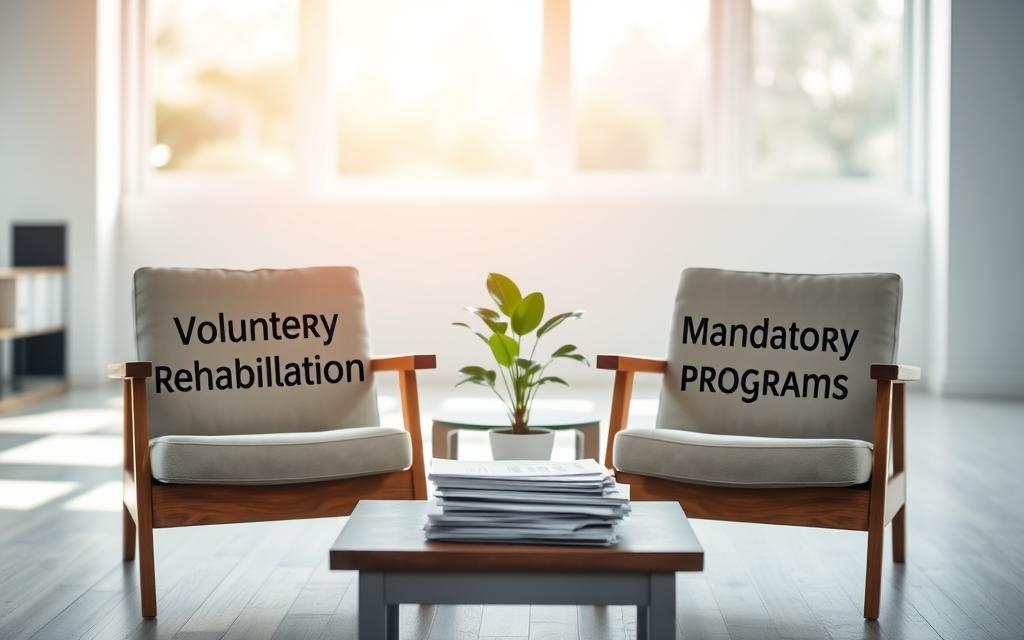
Voluntary and mandatory rehab programs are different in many ways. These differences can greatly affect how well someone does and grows.
Motivation and Personal Choice
Voluntary rehab is special because it lets people choose to get help. People who pick this path usually:
- Want to change more on their own
- Are more committed to getting better
- Take part in treatment more fully
Psychological Impact of Program Type
The mindsets of people in voluntary and mandatory programs are very different. People in voluntary programs often feel more in control. This feeling is key to beating addiction.
| Program Characteristic | Voluntary Rehabilitation | Mandatory Programs |
|---|---|---|
| Participant Motivation | Self-driven | External pressure |
| Personal Commitment | High | Variable |
| Long-term Success Rate | Higher | Lower |
Studies show that people who choose DUI counseling do better in the long run. Feeling in control because of their choice helps them change more.
Participant Perspectives
People in voluntary programs usually feel:
- More respected and in charge of their recovery
- Less judged
- More hopeful about their future
Mandatory programs are important for legal and safety reasons. But, voluntary rehab is a better way to tackle substance abuse problems.
How to Enroll in a Voluntary Rehabilitation Program
Getting into voluntary rehabilitation programs can be tough for those with DUI issues. Knowing the steps can help make it easier.
Looking into DUI support programs is a big step. These programs help you grow and get better.
Eligibility Criteria for Participation
To join these programs, you need to meet a few things:
- Show you want to fight substance abuse
- Meet DUI law needs
- Pass a first check
- Be ready to do the program work
Enrollment Steps
The steps to join are clear:
- Talk to a counselor first
- Get checked out fully
- Make a plan just for you
- Get legal okay if needed
- Officially join the program
When you apply, have your medical and legal stuff ready. Being open and really wanting to change is key.
Having lawyers and counselors help can make things easier. They know what DUI programs need and can guide you well.
The Financial Aspect of Voluntary Rehabilitation
Looking into DUI treatment costs can be tough. It’s key to know what you’ll pay and what help is out there. This helps you choose the right DUI rehab and recovery plan.
- Program type and duration
- Intensity of treatment
- Location of DUI rehab centers
- Individual treatment needs
Cost Considerations for Participants
DUI treatment costs vary a lot. They can be from $1,000 to $25,000. This depends on how detailed the program is. Outpatient programs cost less, but staying in a rehab center costs more.
Insurance Coverage and Assistance Programs
Many health insurance plans help pay for substance abuse treatment. You should:
- Contact your insurance company
- Check if they cover rehab
- Know what you might have to pay yourself
There are also other ways to get financial help:
- Sliding scale fees based on income
- Payment plans
- State-sponsored rehab programs
- Help from non-profit groups
Even though it might seem expensive at first, rehab is worth it. It can save you money in the long run. It also helps you stay out of trouble and recover better.
Finding the Right Rehabilitation Program
Finding the right DUI recovery program is key to changing your life and solving legal issues. The right court-approved rehab can help a lot with substance abuse and support long-term recovery.
Choosing a rehab program needs careful thought. It affects your recovery and legal situation.
Essential Factors in Program Selection
- Treatment Philosophy and Approach
- Staff Qualifications and Expertise
- Program Success Rates
- Comprehensive Assessment Methods
- Individualized Treatment Plans
Accreditation and Credentials Matter
When looking at DUI recovery programs, accreditation is very important. Court-approved rehab centers must meet specific standards for quality and care.
| Accreditation Criteria | Importance |
|---|---|
| State Licensing | Ensures legal compliance and minimum quality standards |
| Professional Certifications | Validates staff expertise and treatment competence |
| External Program Evaluations | Provides independent verification of program effectiveness |
When researching rehab programs, ask important questions. Look at their approach, success rates, and legal status. Choose programs with a good track record in helping with DUI recovery.
Emotional and Psychological Benefits
Voluntary rehab programs offer deep emotional and psychological support. They help those seeking DUI alcohol treatment. These programs heal the whole person, giving the addiction help DUI folks need.

People in rehab get big mental health wins. They learn more than just to follow the law. They find out why they act certain ways and learn new ways to handle stress.
Improved Mental Health Outcomes
Good DUI alcohol treatment programs focus on mental health. They use special ways to help:
- Find out what makes you feel certain ways
- Deal with other mental health issues
- Lessen feelings of anxiety and sadness from using drugs
- Build a better self-image and take responsibility
Coping Mechanisms and Skills Development
Addiction help DUI programs teach important life skills. These skills help people deal with stress and feelings without drugs. They learn:
- How to control your emotions
- Ways to handle stress
- How to talk to others in a healthy way
- How to make and keep friends
The journey of rehab is more than just therapy. It creates a place where people can grow and feel strong emotionally.
Community Support and Resources
Recovering from a DUI is not just about one person. Community support is key to success. DUI support programs and classes give people a strong network. This network can change their recovery journey.
Local groups offer vital support. They help with formal rehab efforts. These resources tackle substance abuse and prevent future problems.
Local Organizations’ Rehabilitation Impact
Good community support for DUI recovery includes:
- Peer support groups for substance abuse
- Counseling for DUI offenders
- Workshops on making good choices
- Help for getting back into work
Networking Opportunities for Participants
Voluntary DUI classes and programs are great for networking. They help people rebuild their lives.
| Networking Resource | Benefits |
|---|---|
| Support Group Meetings | Shared experiences, emotional support, accountability |
| Professional Mentorship Programs | Career guidance, skill development, employment connections |
| Community Rehabilitation Workshops | Learning coping strategies, building social skills |
Building a supportive community network is key for lasting recovery and growth after a DUI.
Legal Benefits of Voluntary Participation
Going through legal stuff after a DUI can be tough. Joining a voluntary rehab program helps a lot. It shows you’re serious about changing.

Being in a DUI diversion program can really help your case. Courts like it when you take steps to change yourself.
Mitigating Sentencing in DUI Cases
People who choose rehab can get big legal benefits:
- Less severe criminal charges
- Shorter jail time or other sentences
- Lower fines
- Better relations with judges
Potential for License Reinstatement
Rehab can help get your license back. Many places look at rehab when deciding on licenses.
Things that help get your license back include:
- Finishing the rehab program
- Showing you’re sober
- Following court rules
- Showing you’ve changed
Legal results can differ by state. But, rehab always shows you’re working on yourself and keeping everyone safe.
Challenges and Barriers to Participation
Starting on the path to substance abuse DUI rehab can be tough. Many face big hurdles like what others think and their own fears. It’s key to know these barriers if you’re thinking about DUI counseling and getting better.
Breaking Down Societal Stigmas
There are strong stigmas around getting help for substance abuse. People worry about being judged by those they care about. This fear stops many from looking into voluntary rehab programs.
These stigmas come from not understanding addiction and recovery well.
- Fear of social rejection
- Workplace discrimination concerns
- Perceived weakness in seeking help
- Misunderstandings about addiction treatment
Overcoming Personal Hesitations
It’s also hard to get past personal doubts in DUI counseling. People might feel:
- Anxiety about the unknown treatment process
- Concerns about privacy and confidentiality
- Doubts about personal ability to change
- Financial worries about treatment costs
Seeing these challenges is the first step to real recovery. DUI substance abuse programs aim to help, not shame. Counselors are there to face these fears and support growth and healing.
The Future of Voluntary Rehabilitation Programs
DUI treatment options are changing fast. New ways to fight substance abuse are coming. Programs are getting better with new tech and plans for each person.
New trends in rehab for DUI offenders are exciting. Tech is changing how we get help. It’s making rehab better.
Trends and Innovations in Treatment
- Digital platforms for continuous support and monitoring
- Personalized genetic screening for targeted interventions
- Virtual reality therapy for behavioral modification
- AI-powered diagnostic tools for treatment planning
Adding mental health services to rehab is a big step. It’s making treatment better.
Policy Changes Impacting Voluntary Programs
| Policy Area | Potential Impact |
|---|---|
| Legal Framework | Increased emphasis on rehabilitation over punishment |
| Healthcare Integration | Expanded insurance coverage for treatment programs |
| Technological Adoption | Standardized digital assessment and tracking mechanisms |
The future of voluntary rehab looks bright. It’s all about meeting each person’s needs with new tech.
Advocating for Voluntary Rehabilitation
Community support is key for those fighting alcohol issues. We need to help people find DUI support programs. This helps them get the help they need.
Good advocacy means being kind and helping people. Here are ways to support loved ones:
- Listen without criticism or blame
- Provide information about local rehabilitation resources
- Offer emotional support during their recovery journey
- Help research DUI support programs in the local area
- Encourage professional counseling and treatment options
Initiating Supportive Conversations
Talking about addiction needs empathy and patience. Be genuinely concerned for their well-being. Show them how rehab can change lives for the better.
Community Education Efforts
Local groups can make a big difference. They can help by reducing shame around DUI support. Workshops, support groups, and seminars are great ways to share knowledge.
Creating a supportive community helps people see rehab as a brave step. It’s a chance for growth and recovery.
Conclusion: Embracing Change Through Rehabilitation
Voluntary rehabilitation programs are a strong way for people with DUI issues. They help more than just solve legal problems. They give a full way to deal with substance abuse and growing personally.
These programs let people take charge of their challenges. By picking voluntary rehab, they show they want to change for the better. They learn important life skills, find better ways to handle problems, and gain back trust from others.
Transformative Power of Recovery
The journey through voluntary rehab is very personal and changes lives. People find inner strengths they didn’t know they had. With help from experts, they can stop bad habits and start a new path of growth and following the law.
Taking the First Step
For those facing substance issues, rehab programs offer hope and real help. Choosing to go to rehab is brave, not weak. It’s the first step to taking back control and building a better future. Recovery begins with deciding to get help and start changing for the better.