

What if one legal choice could change your child’s whole life? Every year, thousands of families deal with legal issues that affect their child’s future. With over 750,000 juveniles arrested each year in the U.S., finding local juvenile attorneys is key for parents.
Dealing with a legal issue for your child can be tough and scary. Parents often don’t know how to protect their child’s rights and future. The right attorney can help a lot, guiding you through legal steps.
Local juvenile attorneys know the local laws and courts well. They offer help that fits your community. They aim to lessen the long-term effects and help your child get back on track.
Table of Contents
Key Takeaways
- Early legal help can greatly improve your child’s case outcome
- Local attorneys know the local justice system well
- They protect your child’s rights and freedoms
- Juvenile cases need special legal skills, not just criminal defense
- Getting legal help early can positively change your child’s future
Understanding Juvenile Law
Going through the juvenile justice system is tough for families. It’s different from adult courts. The main goal is to help young people grow and succeed.
The system is made to help and guide young ones. In most places, they don’t get jury trials. This makes the process less formal than adult courts.
Juvenile Justice System Overview
Juvenile law has its own special words. These words help it stand out from adult courts:
- Petition instead of indictment
- Adjudication instead of conviction
- Disposition is different from sentencing
Key Differences Between Juvenile and Adult Court
The focus in juvenile court is on helping and fixing problems. It’s not just about punishment. Young people are seen as needing guidance and support.
Common Types of Juvenile Offenses
There are many types of cases in juvenile court:
- Status offenses:
- Truancy
- Curfew violations
- Underage drinking
- Property crimes:
- Vandalism
- Shoplifting
- Theft
- Additional offense types:
- Drug offenses
- Assault and battery
- More serious felonies
Records can be sealed or expunged. This helps young people have a clean start. Even small mistakes can cause big problems without the right help. It’s very important to find lawyers who know about juvenile law.
Why You Need a Juvenile Attorney
Going through the juvenile justice system is hard for families. You need a lawyer when your child might face legal problems. A good juvenile attorney fights for your child’s future and knows the law well.
The juvenile justice system is very different from adult courts. Without a lawyer, your child could face big problems that affect their future.
Importance of Legal Representation
Having a lawyer is key to protecting your child’s rights. Juvenile attorneys are experts who:
- Help understand the law
- Talk to prosecutors
- Plan a defense
- Try to lessen penalties
Protecting Your Child’s Rights
Juvenile attorneys know how to keep your child’s rights safe. They make sure your child is treated fairly and avoid mistakes that could harm their future.
| Legal Protection Aspect | Potential Impact |
|---|---|
| Constitutional Rights | Prevent Unlawful Prosecution |
| Due Process | Ensure Fair Legal Proceedings |
| Confidentiality | Protect Future Opportunities |
Avoiding Long-Term Consequences
A juvenile attorney can help avoid big problems later. They work to lessen the impact of:
- Criminal records
- School punishments
- Job challenges
- Damage to reputation
Finding Juvenile Attorneys Near You
Finding the right lawyer for your child’s case is hard. You need to find someone who knows about youth justice. This is important for your child’s future.
Researching Local Options
Local lawyers know the judges and courts well. They can help a lot. Here’s how to find them:
- Contact state and local bar associations
- Request lawyer referral services
- Review directories of attorneys by practice area
- Verify attorney credentials
Utilizing Online Resources
Online tools can help find lawyers. Check out these sites:
| Directory | Key Features |
|---|---|
| Martindale-Hubbell | Comprehensive professional ratings |
| Avvo | Detailed attorney profiles |
| FindLaw | Location-based searches |
Look at these things when checking online profiles:
- Stated professional experience
- Case results
- Professional associations
- Client reviews
Seeking Recommendations from Community Members
Ask people you trust for advice. Talk to:
- Trusted friends and family
- School counselors
- Social workers
- Community organizations working with youth
Remember: Personal experiences offer the most authentic perspective on an attorney’s effectiveness in juvenile cases.
Key Qualifications to Look For
Choosing the right juvenile attorney is very important for your child. Not all lawyers know how to handle juvenile cases well. Parents need to look at an attorney’s background, experience, and success when choosing.
Education and Specialization
Look for lawyers who have studied juvenile law a lot. They should have:
- Special certifications in juvenile law
- Advanced degrees in criminal justice
- Keep learning about youth legal systems
Experience in Juvenile Cases
Check an attorney’s past work. Ask them:
- How many juvenile cases have you handled?
- What percentage of your practice focuses on juvenile law?
- Do you regularly appear in the specific court where my child’s case will be heard?
Knowing local judges and prosecutors is very helpful. Attorneys who know the local area can negotiate better and know what arguments work best.
Client Testimonials and Reviews
Looking at what past clients say is important. Look for feedback on:
- How they communicate
- How fast they respond
- How their cases turned out
- How they act in court
- How they work with young clients and families
Reviews are helpful, but don’t just rely on them. Be careful of lawyers with no reviews or bad feedback about being professional and communicating well.
Initial Consultation: What to Expect
Going through a juvenile legal case can feel really tough for parents. The first meeting with a juvenile attorney is key. It helps you understand your child’s legal situation and plan a defense.
Getting ready for your first meeting is important. You should collect all important documents. Being ready to talk about your child’s case in detail will make the meeting more useful.
Preparing for Your Meeting
- Collect all legal documents related to the case
- Gather school records and previous behavioral reports
- Write down a chronological account of events
- Prepare a list of questions for the attorney
Questions to Ask Your Attorney
At the meeting, ask important questions about your child’s legal help. Asking the right questions helps build trust and understanding.
| Category | Important Questions |
|---|---|
| Case Experience | What is your experience with cases like this? |
| Defense Strategy | What is your strategy for defending my child? |
| Communication | How will you communicate with us throughout the process? |
| Potential Outcomes | What are the possible outcomes for this case? |
Understanding Legal Fees and Costs
Talking about money is a big part of the first meeting. Lawyers usually have different ways to charge for helping with juvenile cases.
- Hourly Rates: Most common billing method
- Flat Fees: Fixed cost for specific services
- Retainer Arrangements: Upfront payment for ongoing legal support
Ask for a written fee agreement and talk about extra costs. This includes court fees, expert witnesses, and investigation costs. Some lawyers offer payment plans to help make legal help more affordable.
Remember, the cheapest option may not be the best for your child’s future. Look for an attorney who specializes in juvenile law and really cares about protecting your child’s rights.
Types of Cases Handled by Juvenile Attorneys
Juvenile attorneys help young people with legal problems. They know a lot about different cases. This helps protect a child’s future.

They deal with many legal issues that can change a young person’s life. Knowing about these cases helps parents choose the right legal help.
Delinquency Proceedings
Delinquency cases are for minors accused of crimes. These cases are different from adult courts. Juvenile attorneys:
- Defend against criminal charges
- Negotiate for lighter penalties
- Work to keep the minor’s record clean
- Look for ways to help the minor instead of punishing them
Status Offenses and Neglect Cases
Status offenses are special cases for minors. They are actions that aren’t crimes for adults, like:
- Truancy
- Running away
- Breaking curfew laws
Neglect cases happen when a child’s safety is at risk. Legal help is needed to keep them safe.
School Disciplinary Issues
Juvenile attorneys also help with school problems. They protect students’ rights in:
- Suspension hearings
- Expulsion talks
- Disputes over special education
They aim to keep students in school while fighting for their rights.
Strategies for Defense in Juvenile Cases
Handling juvenile legal issues needs a careful plan. This plan looks at the child’s age, how mature they are, and their situation. Lawyers who work with kids know how important it is to protect their future. They also try to understand why the child might be in trouble.
- Family and support
- School and behavior
- Mental health
- Peer pressure
- How the child takes responsibility
Establishing a Strong Defense
Lawyers work hard to get charges lowered. They look for ways to avoid a formal conviction. Their main goal is to help the child get better, not just punish them.
Mitigation Strategies for First-Time Offenders
For kids who haven’t been in trouble before, there are special ways to help:
- Show they’re taking steps to get better through counseling
- Do community service
- Go to school more
- Show they’re truly sorry
Utilizing Rehabilitation Programs
There are special court programs for young people in trouble. Diversion programs let kids avoid going to court by doing certain things:
- Community service
- Pay back what they took
- Go to counseling
- Learn in school
Drug and mental health courts offer help too. They focus on helping kids, not just punishing them. They work with families to solve problems like drug use, anger, or family issues.
If kids do well in these programs, they might not have to face charges. This gives them a chance to start fresh and have a better future.
The Role of Family in Juvenile Cases
Navigating a juvenile legal case is tough for families. Parents are key in supporting their child. They work with legal experts to get the best results.
Family support is vital in juvenile cases. Courts look at family stability and support. Showing you care about your child’s future can help a lot.
Importance of Parents’ Involvement
Parents must be involved in their child’s legal case. This means:
- Going to all court hearings
- Meeting with the juvenile rights attorney
- Making sure the child follows court rules
- Driving them to appointments
- Talking to probation officers or case workers
Communication with the Attorney
Talking well with your child’s attorney is key. Be open and honest about everything. This includes:
- Answering quickly when asked
- Telling the truth about everything
- Telling the attorney about new things
- Combining questions to talk less
- Using email for things that aren’t urgent
Long-Term Support for Your Child
The legal process can be hard for kids. Parents should:
- Get them counseling or therapy if needed
- Keep a structured and safe home
- Help them learn from the experience
- Help them get back into school and social life
- Work on the reasons behind their behavior
Families who get help and stay supportive often see big improvements. Their child’s behavior and future look better.
How to Empower Your Child During Legal Proceedings
Going through legal challenges needs a big plan. This plan helps with both defending in court and growing as a person. Parents are very important in helping kids get through tough times and look forward to a bright future.
Empowering your child means using special ways to help them grow and change for the better.
Educating Your Child About Their Rights
It’s very important for kids to know their legal rights. Parents should teach them about:
- The right to have a lawyer
- Not having to say things that could hurt them
- Talking honestly with their lawyer
Encouraging Positive Behavior
Helping your child do better in school is key. Here are some ways to help:
- Make clear rules at home
- Watch who they hang out with and what they do
- Get them involved in sports or clubs
- Look for ways they can help others
Connecting with Support Groups
Having a support group can be a big help. Look into groups like:
| Organization Type | Support Offered |
|---|---|
| National Center for Youth Law | Legal help and resources for families |
| Local Youth Advocacy Groups | Guidance and programs to build skills |
| Faith-Based Support Networks | Emotional support and community help |
Mentoring programs can link kids with good role models. This helps them make better choices and stay away from bad influences. These groups help kids feel supported and help them succeed in the long run.
It’s important to find the right balance between watching over them and giving them freedom. This helps them learn to be responsible and make good choices.
Potential Outcomes of Juvenile Cases
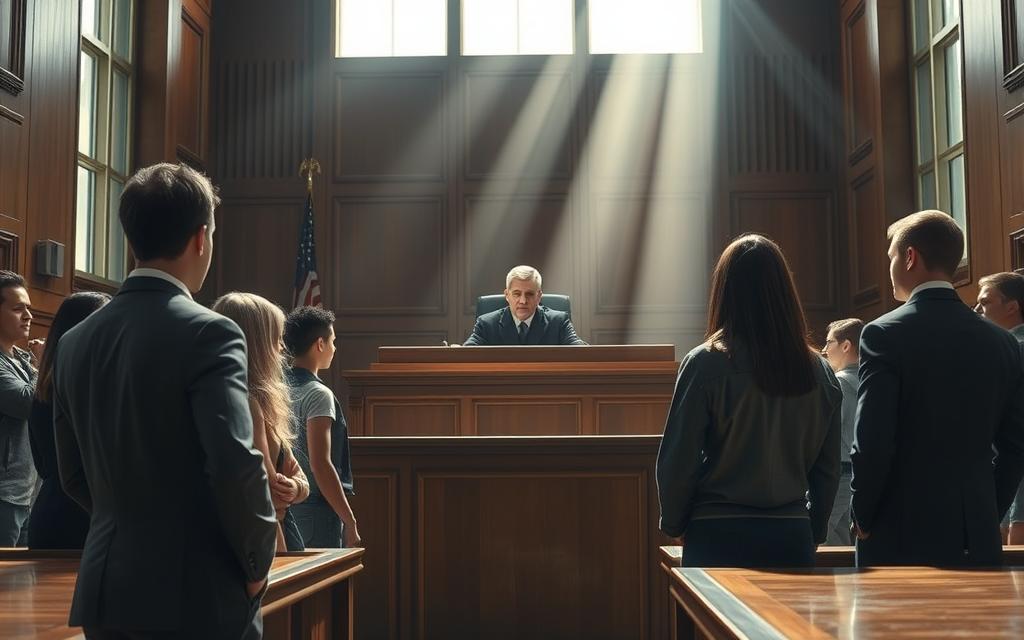
Going through the juvenile justice system is tough for families. Knowing what might happen helps parents support their kids. The right steps can help keep their future bright.
Different Types of Sentences
Juvenile court sentences depend on the crime and the child’s situation. Possible outcomes include:
- Probation supervision
- Community service requirements
- Counseling or rehabilitation programs
- Detention in juvenile facilities
Diversion Programs and Alternatives
Many places have programs to help young offenders avoid court. These programs aim at helping them change, not just punishing. If they do well, it can help them later in life, like in careers in law or the military.
Long-Term Impacts on Your Child’s Life
Even with sealed records, some effects can last. These might include:
- School disciplinary actions
- Loss of driving privileges
- Ineligibility for certain scholarships
Good lawyers try to lessen these effects. They negotiate and push for expungement when it’s allowed. For most kids, who do well and don’t get in trouble again, the future looks bright.
It’s important to remember, this experience doesn’t mean a child’s future is set. Many kids overcome their past and lead good lives. With the right help, kids can learn from mistakes and move forward positively.
Understanding the Appeals Process
The juvenile justice system is complex. Appeals are a key way for families to challenge court decisions. They help protect their child’s future.
When appealing, families need to know a few important things. Appeals usually focus on legal issues like:
- Procedural errors in evidence handling
- Constitutional violations during investigation
- Insufficient evidence supporting the original adjudication
- Errors in legal interpretation
- Inappropriate dispositions that seem disproportionate to the offense
Grounds for Appealing a Juvenile Case
Not every case can be appealed. Successful appeals must be based on issues preserved in the original trial record. This means the attorney must have objected to legal problems during the trial. Constitutional violations like illegal search and seizure or coerced confessions are strong reasons for appeal.
Timeline of the Appeals Process
The appeals process is long and complex. It can take six months to two years. Here are the main steps:
- Filing notice of appeal within 30-60 days of the final order
- Preparing and transmitting the trial court record
- Drafting and submitting appellant’s brief
- Receiving and responding to state’s brief
- Potential oral arguments
- Appellate court’s written decision
Role of an Attorney in Appeals
Appellate attorneys are experts in reviewing trial records and legal arguments. They focus on legal principles, not factual disputes. Possible outcomes include upholding the original decision, dismissing the case, or ordering a new trial.
Families should talk to their attorney about the appeal’s chances. Appeals need a lot of effort and cost, but there’s no guarantee of success.
The Importance of Ongoing Legal Support
Navigating the juvenile justice system needs constant talk and planning. Parents and lawyers must work together. They help the child on their path to betterment.

Keeping the Attorney Informed of Changes
When a child has legal problems, things can change fast. Important times to talk to your lawyer include:
- Having trouble following court orders
- Family changes (like job loss or moving)
- New charges or accusations
- Problems at school that might affect probation
Talking to your local youth advocate early helps solve problems fast. Lawyers can change plans, but only if they know before it’s too late. It’s important to be honest. Surprises in court can hurt your case a lot.
Re-evaluating Legal Strategies
Legal plans must be flexible as cases go on. Times to think about changing plans include:
- New evidence comes up
- The child’s situation changes a lot
- First plans don’t work well
- Understanding the child’s needs better
Regular talks help lawyers suggest changes to plans. This makes sure the legal help fits the child’s best.
Future Legal Needs for Your Child
It’s important to think about the future too. Things to consider include:
- Clearing up juvenile records
- Getting back rights taken away (like driving)
- Changing from juvenile to adult legal status
Keeping in touch with a lawyer is very helpful. It gives families support and advice, even after the big legal issue is over.
Resources for Families Navigating Juvenile Issues
Families dealing with juvenile legal issues need lots of help. The right resources can really help them understand and handle these tough situations.
Going through legal issues with kids needs a big-picture approach. It’s about getting both legal and emotional support for families and kids.
Community Support Services
Local communities have key support groups for families with legal issues:
- Youth mentorship programs
- Family counseling centers
- Neighborhood support groups
- Social work intervention services
Educational Programs and Workshops
There are special educational resources for families facing legal challenges:
- Parenting skills workshops
- Legal rights education seminars
- Conflict resolution training
- Youth behavioral intervention classes
Hotlines and Counseling Options
There are many places for quick help and expert advice:
- National Youth Helpline: Confidential support for teens and families
- Professional counseling services specializing in juvenile issues
- Online support platforms with expert consultations
- Crisis intervention resources
Using these resources can help families support their kids in tough legal times.
Conclusion: Taking Action Now for Your Child’s Future
Going through the juvenile justice system needs careful planning and support. Parents dealing with legal issues must know that help and encouragement are key. These help achieve good results.
Creating a strong support network is vital during tough times. Local youth advocate attorneys offer help and connect families with important resources. Asking for help shows you care about your child’s future, not weakness.
Importance of Early Legal Help
Getting help from a skilled juvenile attorney early on is very important. It can change your child’s future for the better. Quick action helps avoid big problems later and helps your child grow.
Building a Support Network
Families with strong support systems do better and feel less stressed. Work with community groups, counselors, and lawyers who know about juvenile law. This helps tackle your child’s legal problems in a complete way.
Next Steps After Your Consultation
After talking to lawyers, think about their style, knowledge, and plan. Choose someone who really cares about your child’s future. Sign agreements, give needed documents, and keep talking to your lawyer’s office.
Remember, with the right help and dedication, most kids can get past legal problems. They can then lead happy, successful lives.